A balanced Smile is about more than having straight teeth. The way your upper and lower teeth come together can affect your bite, chewing, speech and overall oral function. If your teeth or bite are not properly aligned, you may wonder whether Invisalign jaw alignment can help improve your Smile and bite without traditional metal Braces.
Invisalign Clear Aligners are designed to gradually move teeth and can be used to address a range of Orthodontic concerns, including certain overbites, underbites, crossbites, crowding and spacing problems. In selected cases, Invisalign treatment can also incorporate technology designed to influence jaw positioning, particularly in growing patients.
What is Jaw Alignment?
Jaw alignment refers to the relationship between the upper and lower jaws and how they work together when you close your mouth. Ideally, your upper and lower teeth should meet in a way that allows comfortable biting and chewing.
When the teeth or jaws do not come together properly, the condition is generally referred to as malocclusion. Common types include overbite, underbite, crossbite and open bite. Depending on the severity, bite problems can sometimes affect chewing, speaking, oral hygiene and jaw comfort.
Jaw and tooth alignment can be influenced by genetics, jaw growth, childhood oral habits, missing or extra teeth, injuries and other factors. This is why a professional dental or Orthodontic assessment is important before choosing a treatment.
Can Invisalign help with Jaw Alignment?
Invisalign can help correct certain bite and tooth-alignment problems, but it is important to understand that straightening teeth and changing the position of the jaw are not always the same thing. Clear Aligners are primarily designed to move teeth gradually. However, specific Invisalign treatment options can be used for certain bite relationships. For adults with significant skeletal jaw discrepancies, aligners alone may not be sufficient. Depending on the diagnosis, an Orthodontist or oral and specialist may recommend other approaches.
What bite problems can Invisalign address?
Invisalign treatment can be used for several types of malocclusion, depending on the individual case.
- Overbite: An overbite occurs when the upper front teeth overlap the lower front teeth more than expected. Certain overbite cases can be treated with Invisalign using carefully planned tooth movements and additional treatment features when required.
- Underbite: An underbite occurs when the lower front teeth sit in front of the upper front teeth when the mouth is closed. Some underbite cases can be managed with clear aligners, while more significant skeletal discrepancies may require a different treatment approach.
- Crossbite: A crossbite occurs when some upper teeth sit inside the lower teeth when the mouth is closed. Depending on the cause and severity, Invisalign may be incorporated into a treatment plan to improve tooth and bite alignment.
- Open Bite: An open bite occurs when certain upper and lower teeth do not come together properly when the mouth is closed. Clear Aligners may be used for selected cases after a detailed assessment.
How does Invisalign work for bite alignment?
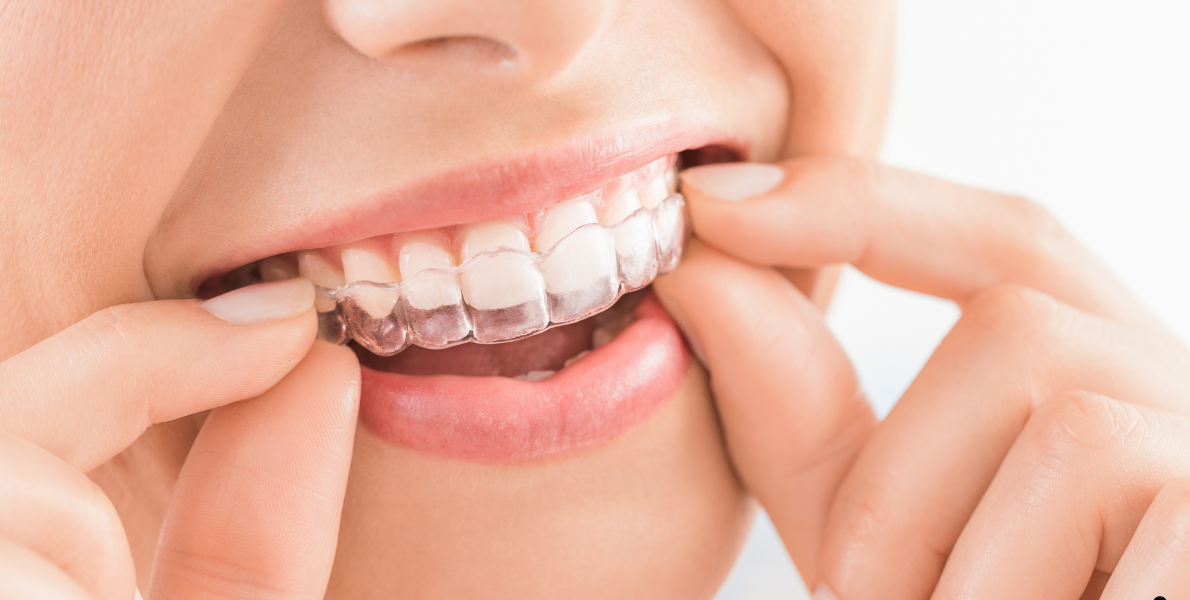
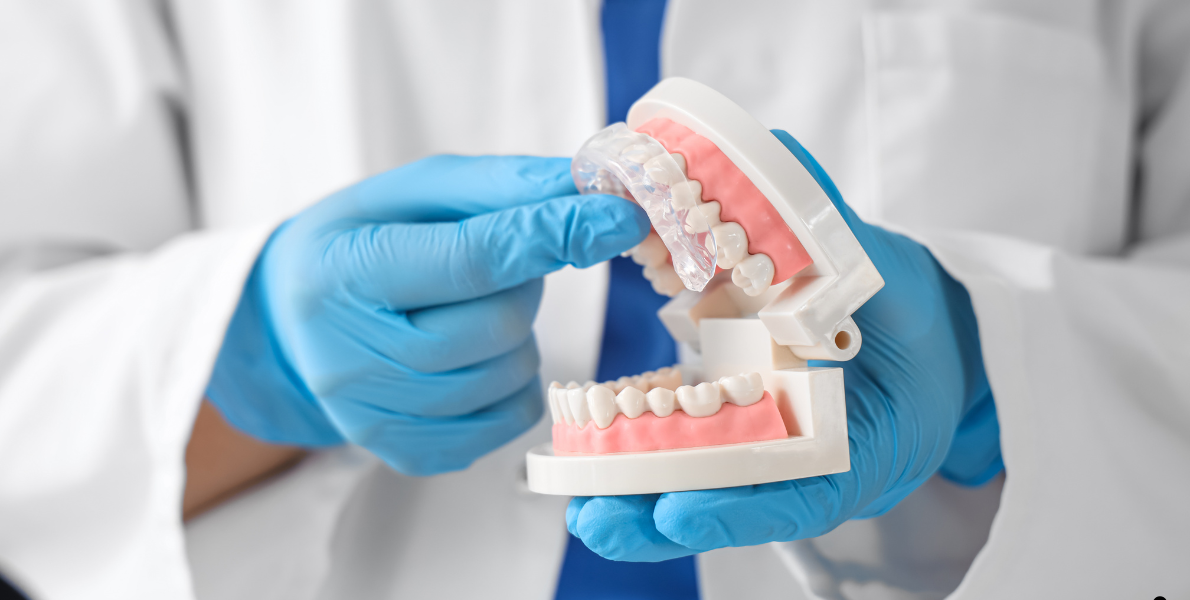
Invisalign treatment uses a series of custom-made clear aligners. Each aligner is designed to make specific, gradual tooth movements according to a personalized treatment plan.
Your dentist or Orthodontist can use digital 3D models to plan the movement of individual teeth and evaluate how your bite is expected to change throughout treatment. Invisalign’s ClinCheck treatment-planning system allows providers to map out the planned stages of tooth movement.
Depending on your treatment needs, additional features such as attachments or elastics may be incorporated into your plan.
The aligners are generally removable, allowing you to take them out for eating, drinking and oral hygiene while following your provider’s recommended wearing schedule.
What are the benefits of improving Bite Alignment?
Correcting an unsuitable bite can be about more than improving the appearance of your Smile.
Better alignment may make it easier to maintain oral hygiene because crowded or overlapping teeth can be more difficult to clean. Properly aligned teeth can also support more efficient chewing and reduce uneven contact between teeth. Some severe malocclusions can be associated with jaw discomfort and other functional concerns.
However, treatment benefits and outcomes vary from person to person. A dental professional should evaluate your specific condition before treatment begins.
Is Invisalign suitable for everyone?
Not every jaw or bite problem can be treated with Invisalign alone.
The suitability of Clear Aligners depends on factors such as your age, dental health, tooth positions, bite relationship, jaw development and the complexity of the problem. Some cases may require braces, additional Orthodontic appliances or, in cases involving significant skeletal discrepancies, surgical treatment.
This makes a professional consultation an important first step. A comprehensive assessment helps determine whether Invisalign is appropriate for your particular bite and whether additional treatment is necessary.
Invisalign jaw alignment for adults and teens
Both teenagers and adults may benefit from Invisalign treatment for appropriate bite and alignment concerns.
For teenagers who are still growing, certain Invisalign systems can be used to address specific Class II bite relationships by combining jaw advancement with tooth alignment.
Adults can also use Invisalign for many tooth and bite alignment concerns. However, because jaw growth is generally complete in adults, treatment should be planned according to the underlying cause of the bite problem.
Start your Invisalign Jaw Alignment journey
If you are concerned about an uneven bite, crooked teeth, an overbite, underbite or other alignment issue, Invisalign may be one of the treatment options worth discussing with a dental professional. At GK Dental Aligners, a personalized assessment can help determine your Orthodontic needs and whether clear aligners or Invisalign treatment may be appropriate for your Smile.