An underbite can affect more than the appearance of your Smile. When the lower teeth sit in front of the upper teeth when you close your mouth, it can change the way your teeth meet and may affect chewing and overall bite function. If you are looking for a discreet alternative to traditional braces, you may be wondering whether Invisalign underbite treatment can help.
Invisalign Clear Aligners can treat certain underbite cases by gradually moving the teeth and improving their alignment. However, the suitability of Invisalign depends on the cause and severity of the underbite. A professional dental or orthodontic assessment is important to determine the right treatment approach.
What is an Underbite?
An underbite is a type of malocclusion in which the lower front teeth extend beyond the upper front teeth when the mouth is closed. In some people, the difference may be relatively small, while more complex cases can involve the position or development of the upper and lower jaws.
An underbite may develop because of dental alignment issues, differences in jaw growth, genetics or a combination of factors. Identifying the underlying cause is important because treatment can vary from one person to another.
Can Invisalign Correct an Underbite?
Invisalign can correct certain underbite cases, particularly when the problem is primarily related to the position of the teeth. Clear Aligners apply controlled forces to gradually move teeth into planned positions and can be used to improve the relationship between the upper and lower teeth.
However, Invisalign does not simply “move the jaw backward” in an adult with a significant skeletal underbite. If the underbite is primarily caused by a substantial difference in jaw size or position, aligners alone may not be sufficient.
Your dentist or orthodontist will evaluate your teeth, bite and jaw relationship before recommending Invisalign or another treatment option.
How does Invisalign underbite treatment work?
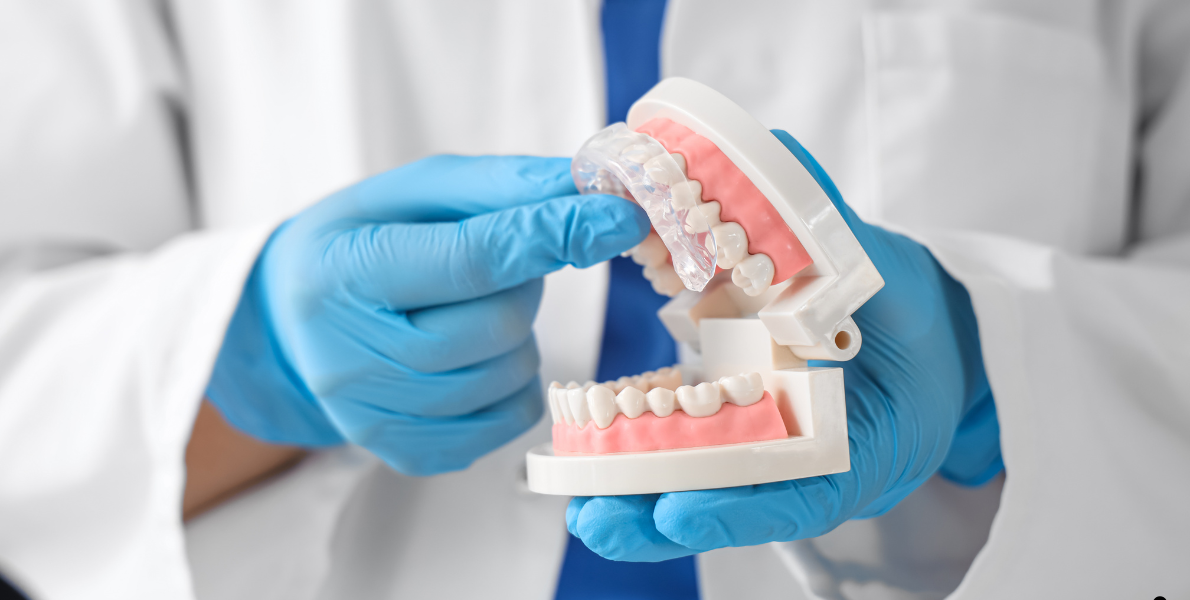
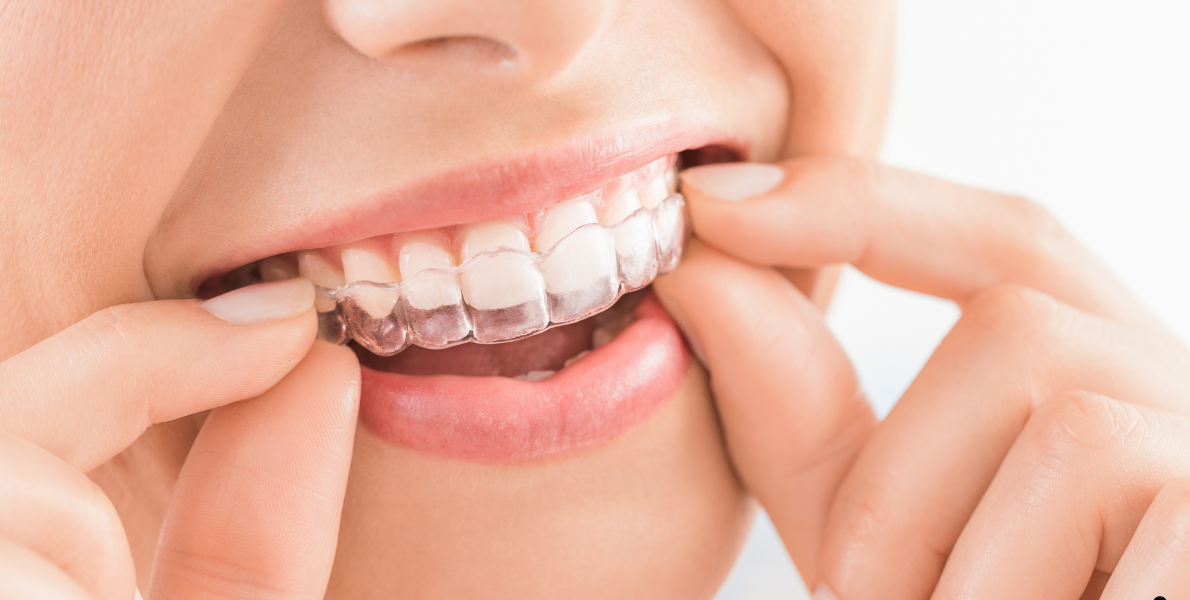
Invisalign treatment uses a series of customized Clear Aligners. Each Aligner is designed to make specific tooth movements as part of a digitally planned treatment sequence.
A typical treatment process may include:
- Initial Consultation: Your dentist examines your teeth, gums and bite. They may also evaluate your jaw relationship and discuss your dental concerns and treatment goals.
- Digital Scanning: Digital scans or dental impressions can be used to create a 3D representation of your teeth. This information helps your dental professional develop a personalized treatment plan.
- Treatment Planning: Your provider determines which teeth need to move and how those movements can improve your bite. The treatment plan may include attachments, elastics or other features when appropriate.
- Wearing Your Aligners: You receive a series of custom-made aligners and wear them according to your provider’s instructions. Each stage gradually works toward the planned tooth positions.
- Regular Progress Checks: Follow-up appointments allow your dentist to monitor your progress and make adjustments if required.
- Retention: After active treatment, retainers may be recommended to help maintain your new tooth positions and reduce unwanted shifting.
Invisalign for Mild and Moderate Underbite
The type of underbite you have plays an important role in determining whether Clear Aligners are appropriate.
For a mild underbite caused primarily by tooth positioning, Invisalign may be able to improve the alignment of the teeth and bite. Some moderate cases may also be suitable for clear aligner treatment depending on the patient’s individual anatomy and treatment requirements.
More complex underbites may involve the jaw itself rather than the teeth alone. These cases require a more detailed evaluation and may need orthodontic treatment combined with other approaches.
Invisalign Underbite Treatment for Adults
Adults with an underbite may consider Invisalign because the aligners are transparent and removable. They can fit into professional and social lifestyles without the appearance of conventional metal braces. However, adult jaw growth is generally complete. Therefore, if an adult underbite is primarily skeletal in origin, moving the teeth alone may not fully correct the underlying jaw discrepancy. A dental professional can determine whether your underbite is primarily dental, skeletal or a combination of both and explain the available treatment options.
Invisalign Underbite Treatment for Teenagers
Treatment can be different for growing teenagers because the jaws are still developing. Depending on the patient’s age, growth stage and type of bite problem, an orthodontic treatment plan may take jaw development into account.
Invisalign offers treatment options designed for certain growing patients with specific bite relationships. The appropriate approach depends on an individual assessment rather than age alone.
Benefits of Invisalign for Underbite Correction
For suitable cases, Invisalign can offer several advantages:
- Discreet Appearance: The Clear Aligners are designed to be less noticeable than traditional metal Braces.
- Removable Design: Aligners can be removed for eating, brushing and flossing, allowing you to maintain your regular oral hygiene routine.
- Customized Treatment: Each series of aligners is created according to an individual’s treatment plan and required tooth movements.
- Digital Treatment Planning: Digital technology can help your dental professional visualize and plan the sequence of tooth movements throughout treatment.
- Comfortable Lifestyle: Because there are no traditional brackets and wires, clear aligners can provide a convenient option for people who prefer a less visible orthodontic treatment.
Does Invisalign Permanently Fix an Underbite?
The long-term stability of underbite correction depends on the original cause of the problem, the treatment performed and adherence to retention instructions.
Teeth can naturally move over time after orthodontic treatment. Wearing retainers as recommended by your dental professional can help maintain the corrected tooth positions.
It is also important to understand that treating a dental underbite and treating a skeletal jaw discrepancy are different. A professional diagnosis is essential for understanding what Invisalign can realistically achieve in your particular case.
Is Invisalign Right for Your Underbite?
There is no single treatment that works for every underbite. Invisalign may be suitable when the condition can be addressed through controlled tooth movement, while more complex skeletal cases may require additional orthodontic or surgical treatment.
At GK Dental Aligners, your teeth and bite can be evaluated to determine whether Invisalign or another treatment option is appropriate for your needs. A personalized treatment plan can help you understand the expected tooth movements, treatment process and retention requirements.
Improve Your Underbite With Personalized Invisalign Treatment
An underbite does not necessarily mean that traditional metal Braces are your only option. For suitable cases, Invisalign can provide a discreet approach to improving tooth alignment and bite.
If you are concerned about an underbite, the best first step is a professional consultation. Your dentist can assess your teeth and jaw relationship and explain whether Invisalign can address your specific condition.